Time in photography – The silence between two heartbeats
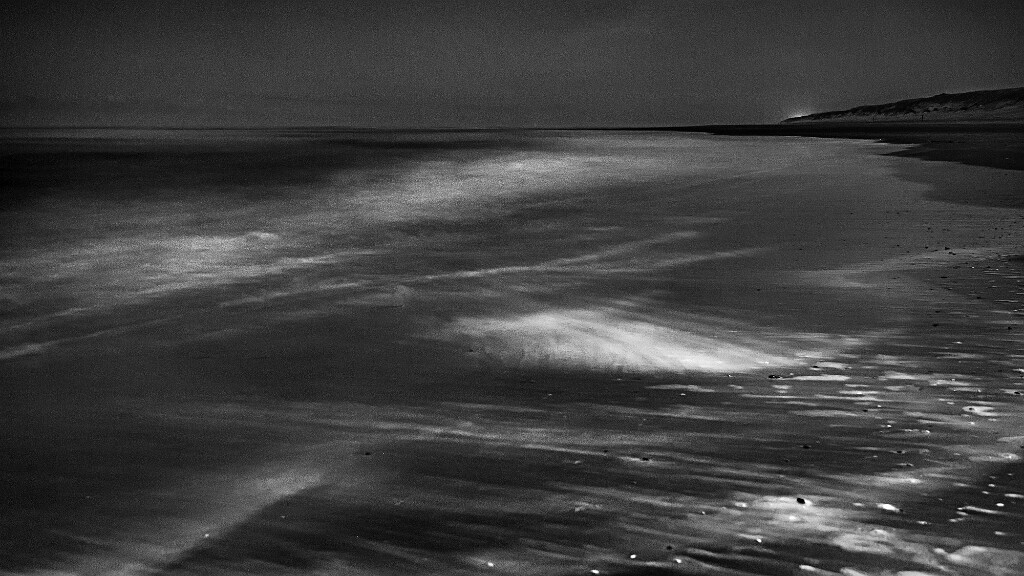
When I think about what makes photography so special to me, I always come back to the concept of time. Time is the most elusive ingredient in photography. Every photo is a frozen moment, a fraction of a second that will never return. But time is much more than just capturing a brief instant. Time is the rhythm of life itself, the current we all drift along.What fascinates me is how photography allows us to play with time. With a fast shutter speed, I can freeze a fleeting glance, a jump, a touch—moments that are barely perceptible to the naked eye. But by choosing longer shutter speeds, I can make time visible in the image. Moving clouds become streaks, water surfaces turn to silk, people fade into shadows. The image becomes a summary of minutes, sometimes even hours, in a single photograph.
Michael Kenna: Time as poetry
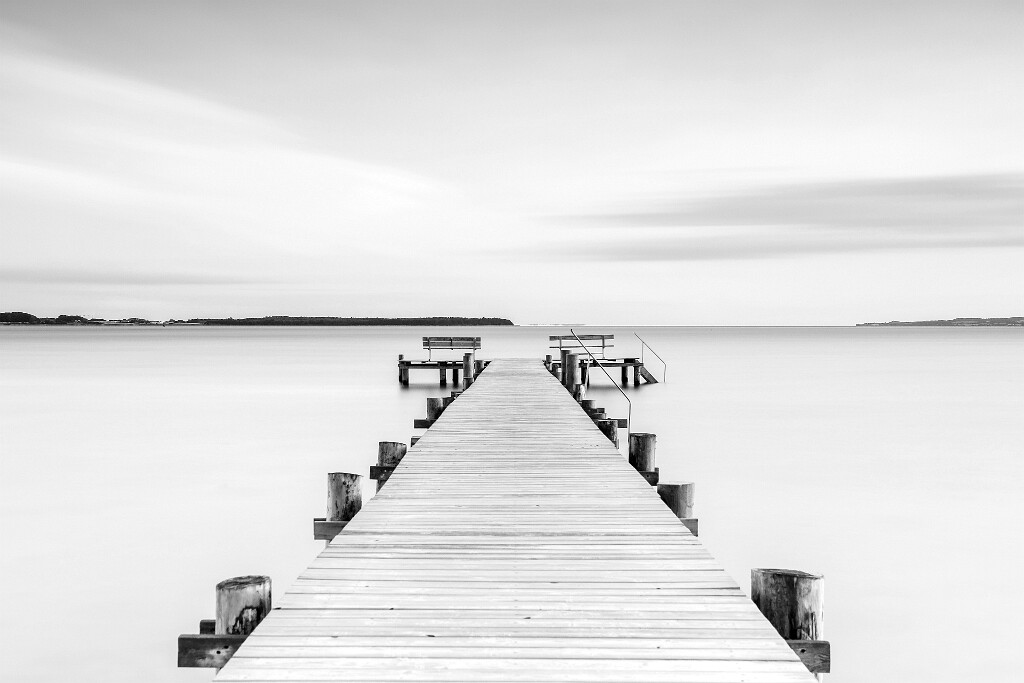
What truly inspires me is how some photographers use time as an active part of their visual language. A beautiful example is the work of Michael Kenna. His landscape photographs are often created with extremely long exposure times—sometimes minutes, sometimes even hours. This technique captures not only the landscape but also the passage of time itself. Water surfaces turn into a soft haze, clouds become streaks, and the scenery takes on an almost ethereal, dreamlike quality.What I appreciate most about Kenna’s approach is that his photos don’t just show a place—they tell a story about time. His images breathe calm and timelessness, yet as a viewer you sense that the landscape isn’t still—it’s constantly moving, shaped by light, wind, and the passing hours. Kenna’s photographs invite contemplation: they’re not only about place, but about time—about waiting, patience, letting go, and embracing the unexpected.
Time in my own photography
In my own photography, I try to be increasingly aware of time. Sometimes that means waiting—standing still until the light changes, until the right moment arrives. Other times I choose a long exposure to capture or blur movement. I’ve learned that time isn’t just visible in the subject; it becomes tangible in the process. It demands patience, attention, and the courage to let go of haste and expectation.What I’ve discovered is that time in photography isn’t only about technique—it’s about experience. It’s the time I take to be somewhere, to look, to feel, to wait. It’s the time needed to truly know a place or a subject. And it’s the time embedded in the image itself—the silence between two heartbeats, the movement of light, the traces of the wind.
Time as story
By consciously engaging with time, I can create images that don’t just show what was there, but what happened—and sometimes even what might happen. Time gives space for the story within the image. Like with Michael Kenna: his landscapes aren’t just records of a place, but invitations to pause, to reflect, to let your own story emerge in the emptiness and stillness of the frame.For me, time is the most poetic aspect of photography. It’s the layer that connects everything: light, space, and moment. By playing with time, I can capture not only the visible but also make the invisible felt—the flow of life itself. And perhaps that’s the greatest power of photography: that it stops us in time for a moment and invites us to look, to feel, and simply to be.